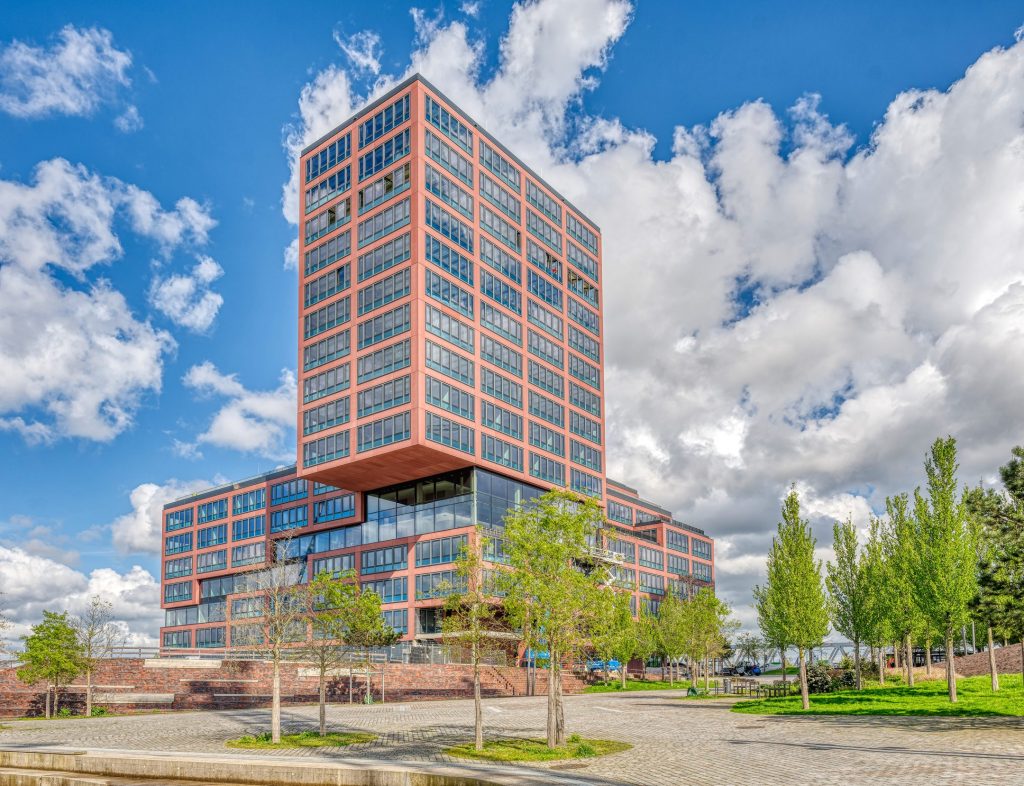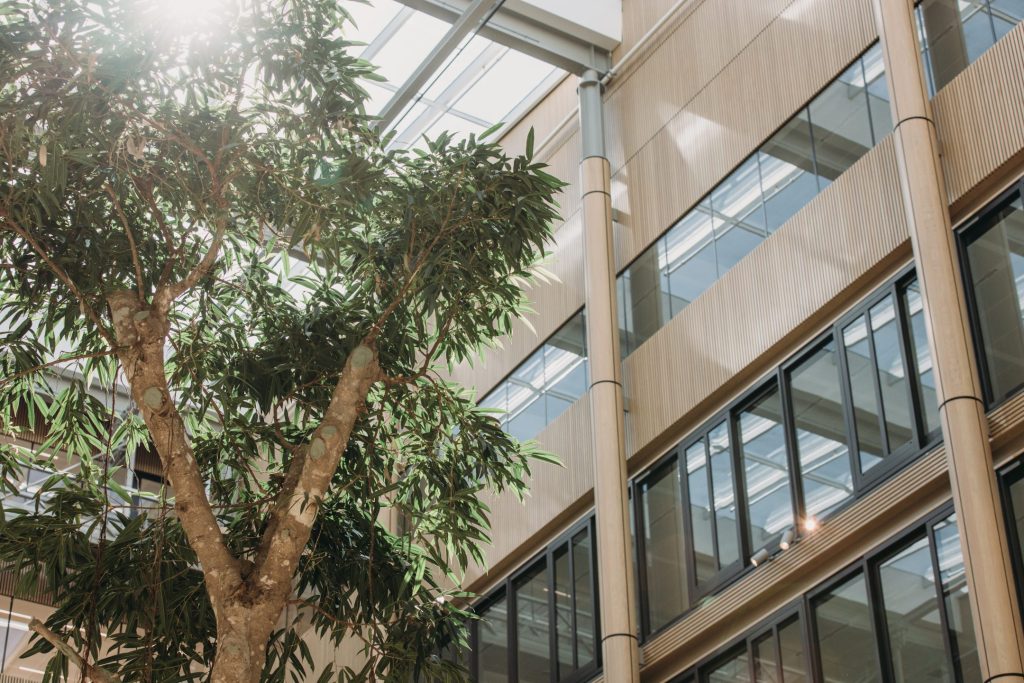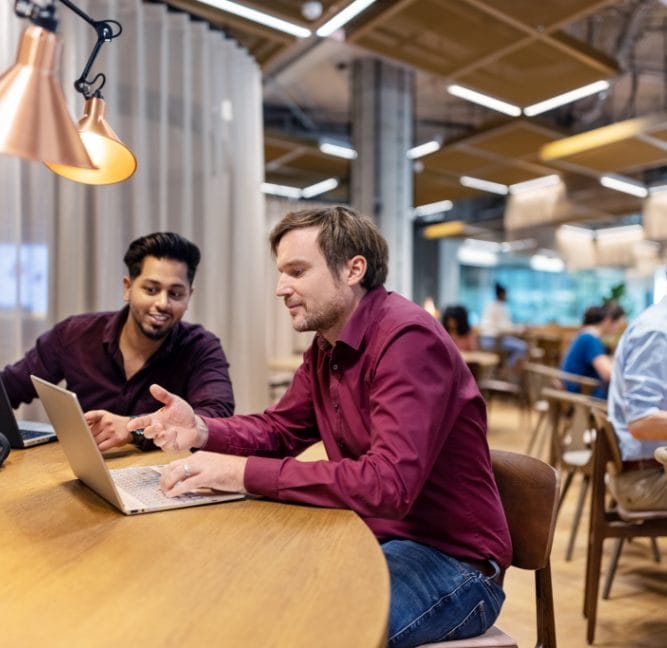
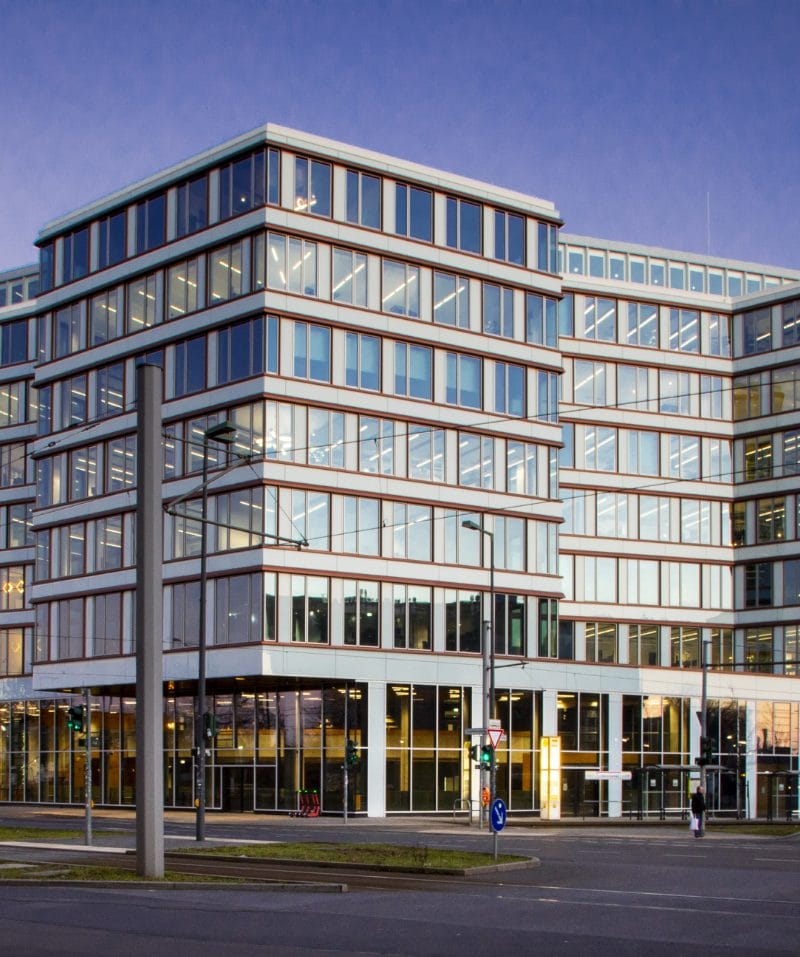
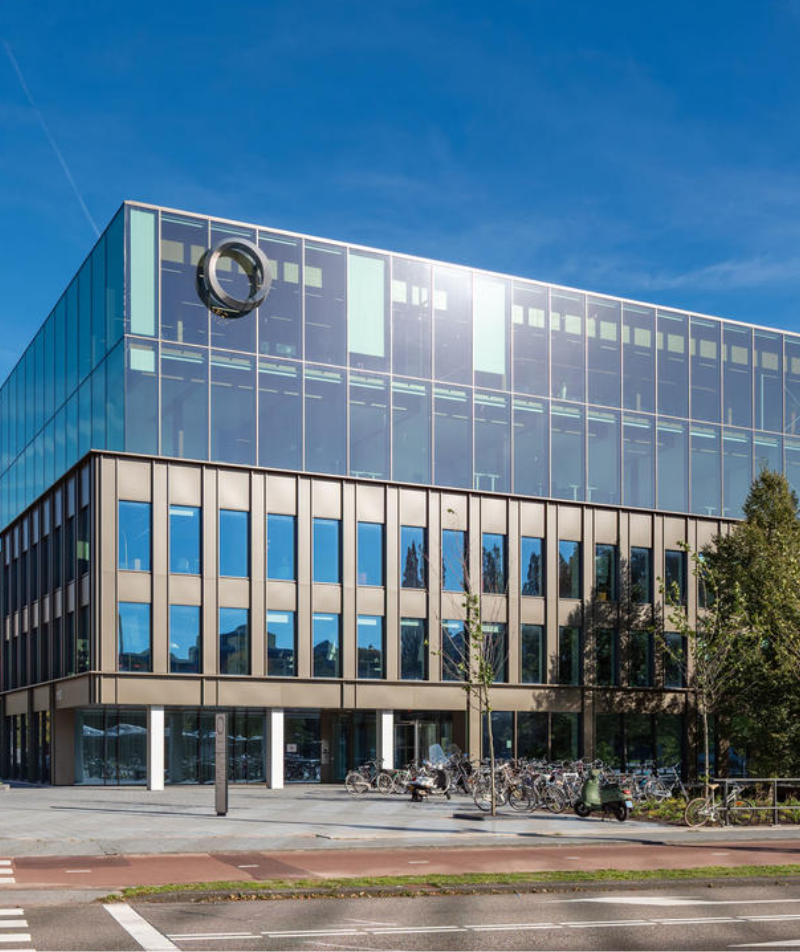
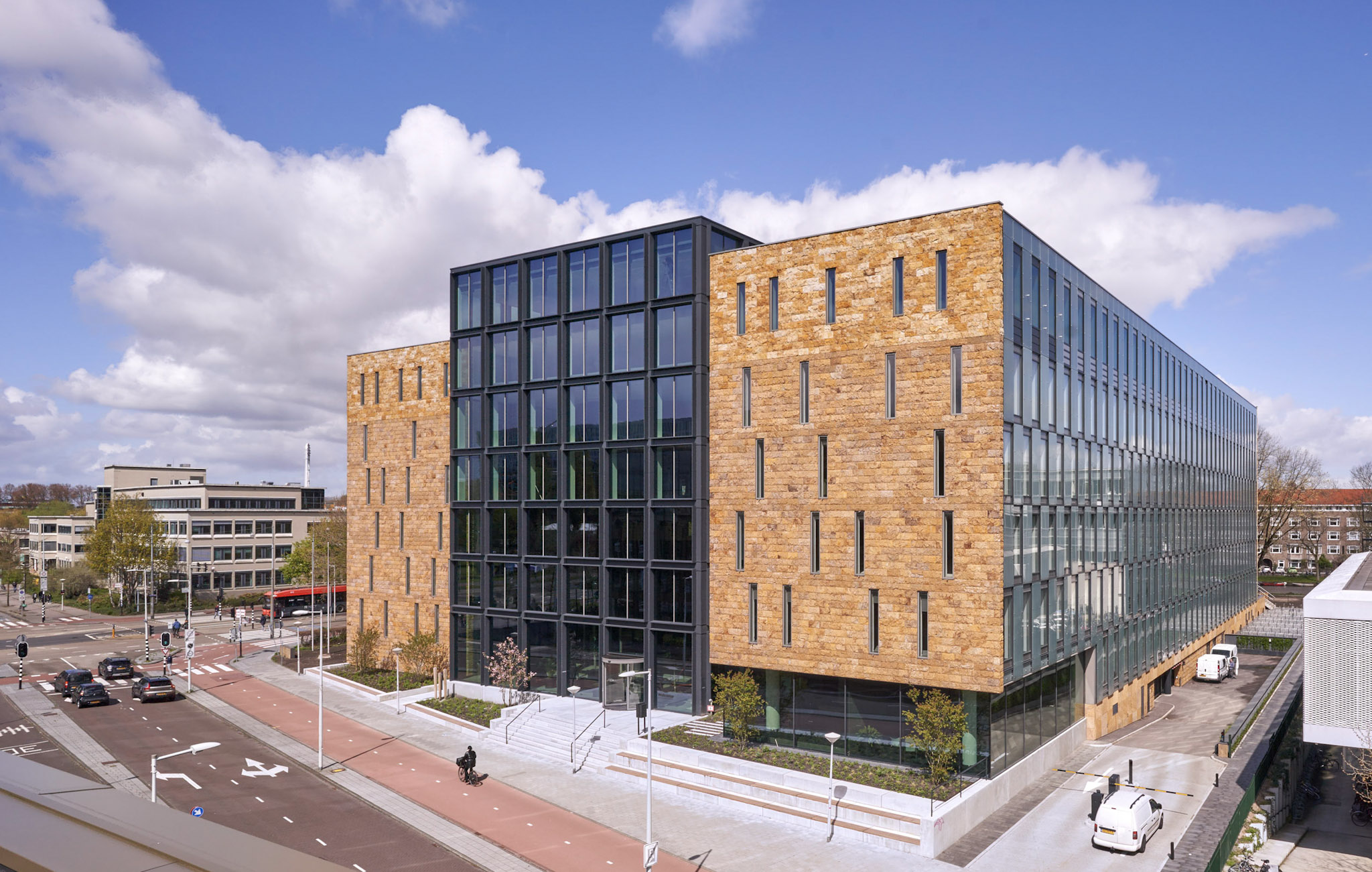


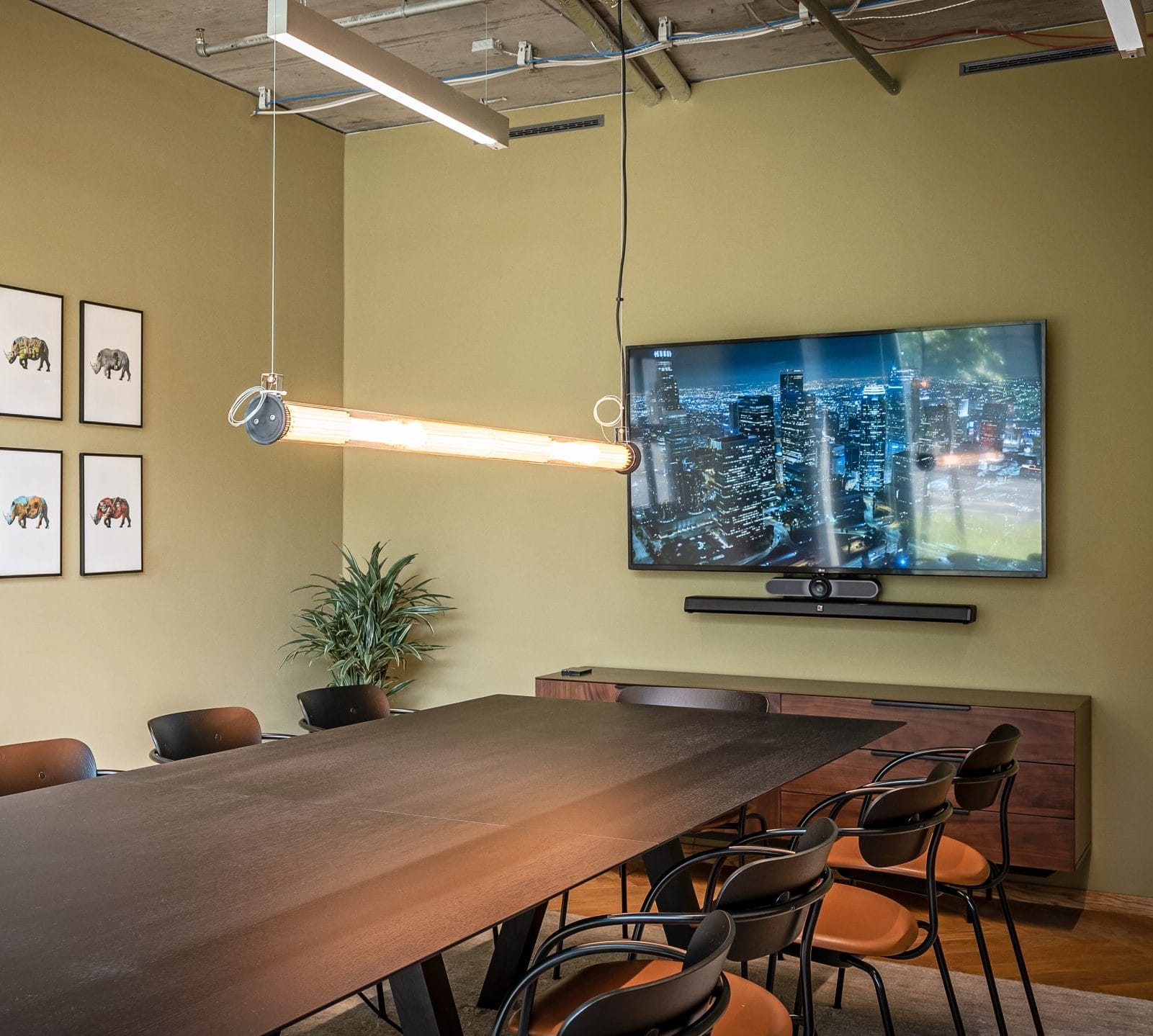
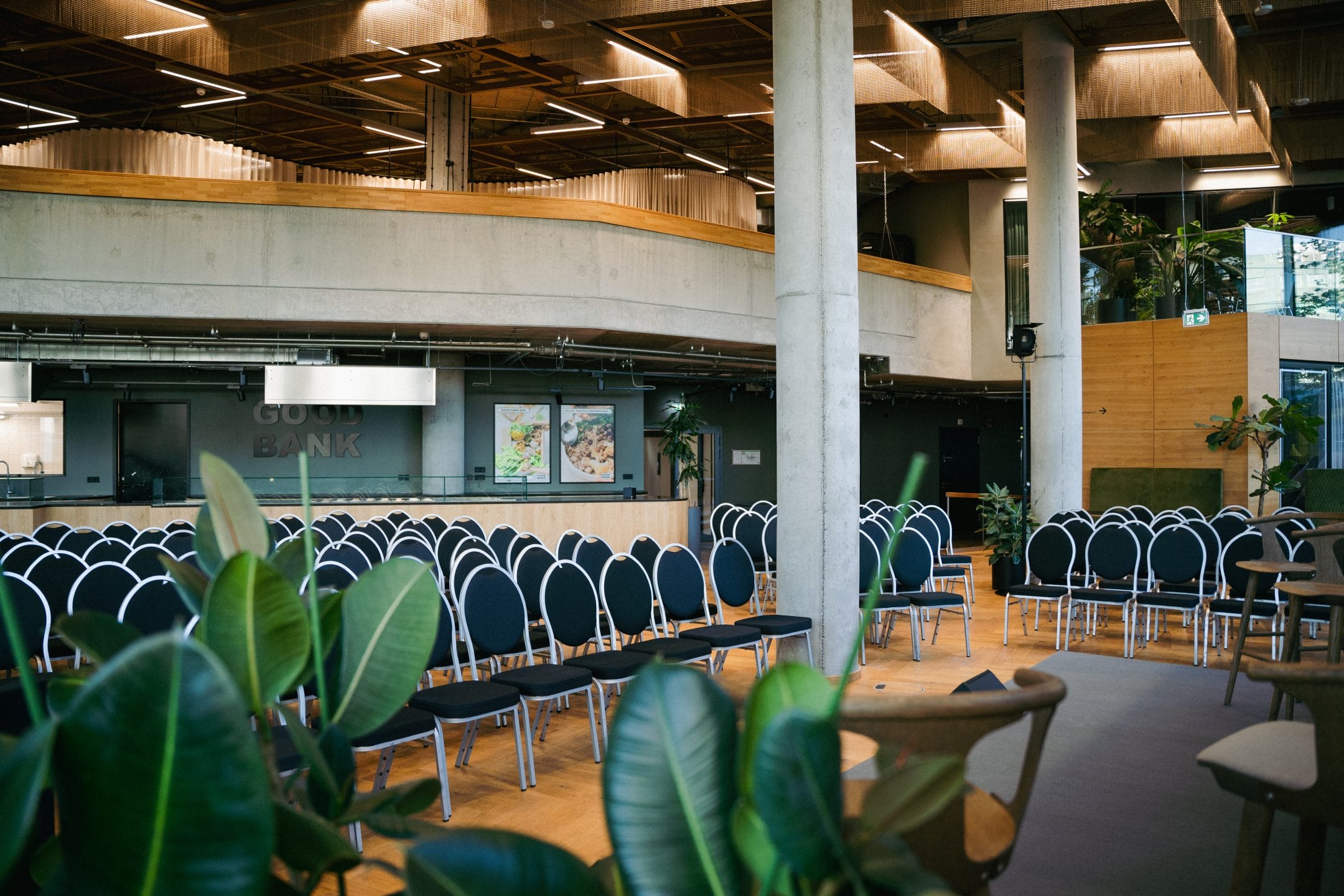

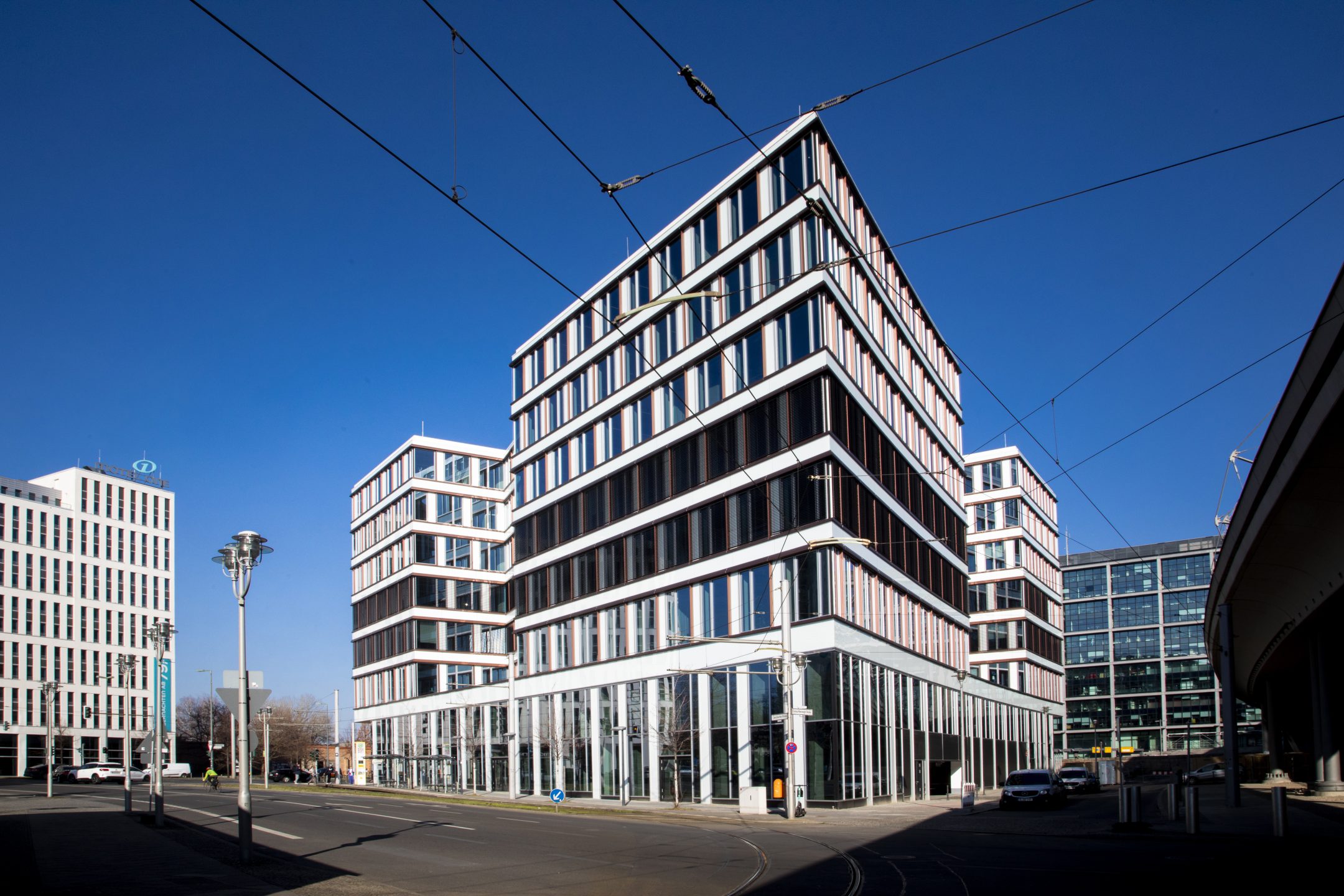
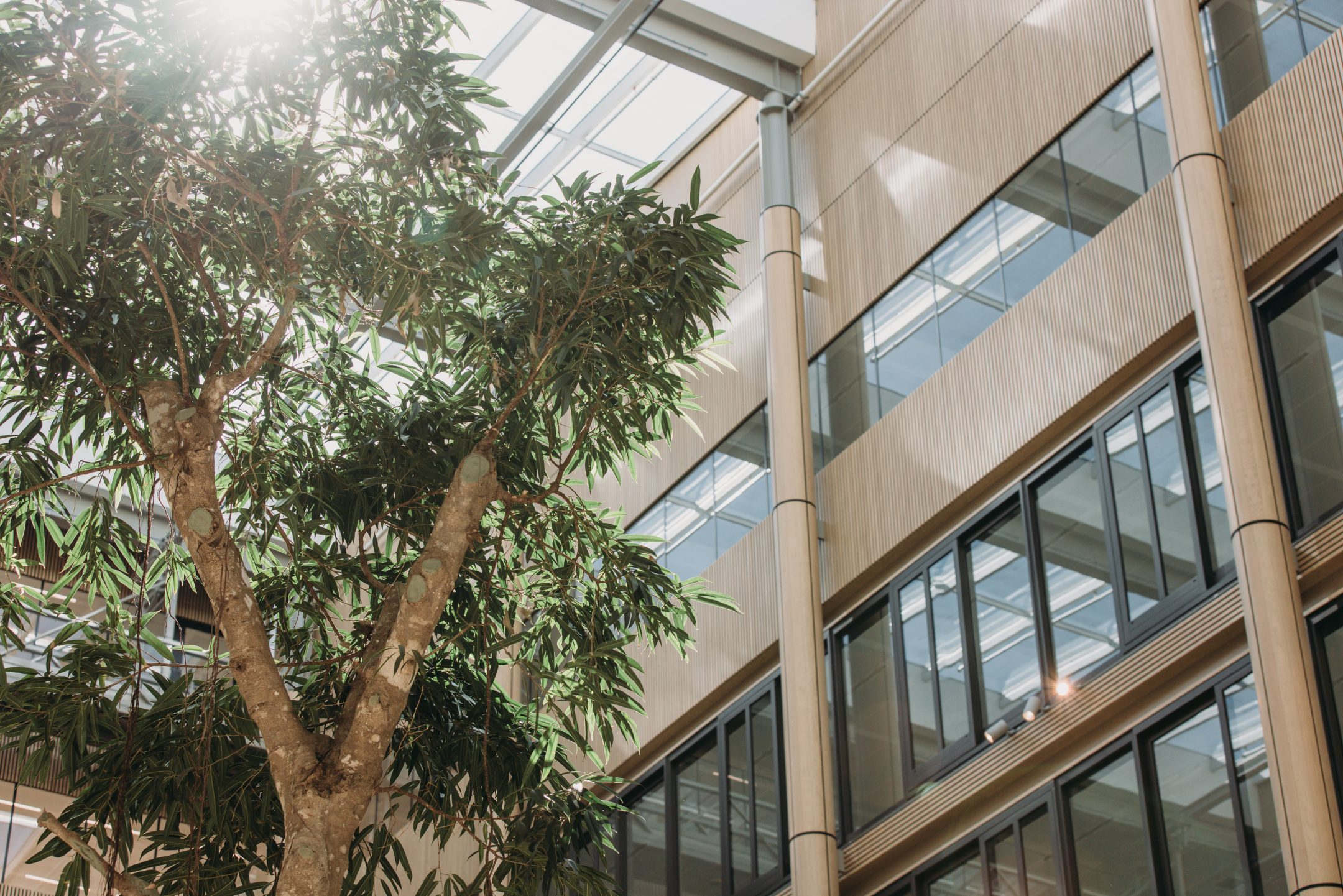
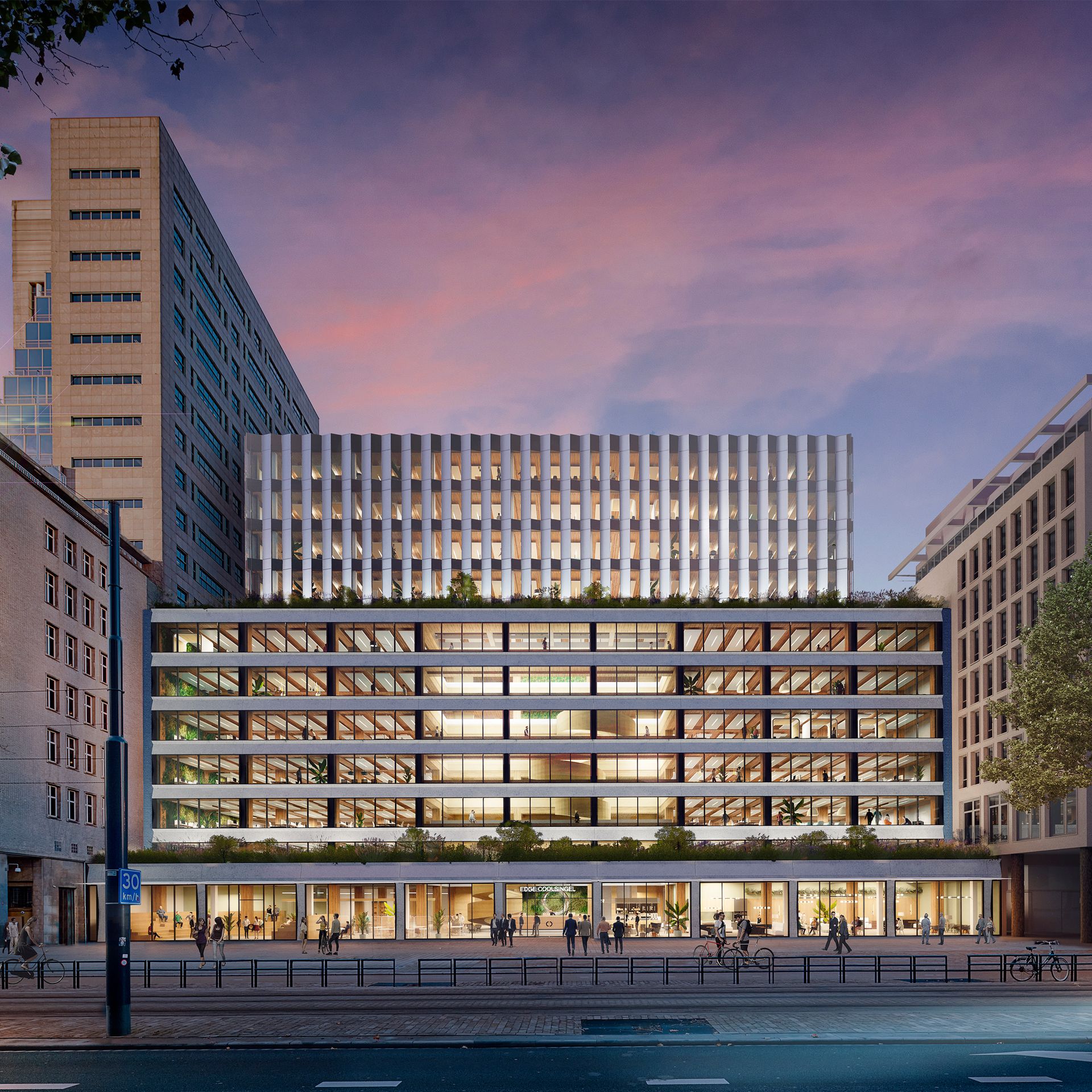

From the first day we opened the doors of our Coworking Space at EDGE Grand Central Berlin, we have treated environmental and social responsibility as part of our daily operations rather than a separate CSR program. We see our role as a coworking company in practical terms. We run a building with many moving parts. We welcome founders, students, artists, corporate teams and volunteers. Every day provides chances to enable work that benefits people and the planet. Below is a chronicle of how we acted on those chances between 2021 and 2025. It is a long list by design. We want to show what a coworking operator can do when it uses its space, services and community to advance concrete outcomes across environmental, social and governance themes.
Backing impact-driven innovators through targeted affordability
Boosting Change with Urban Impact & Vattenfall
We offered Urban Impact a discount for private office 109 at our site. We did this to lower the barriers for a team whose mission is to transform urban systems so that cities become more sustainable and livable. Their approach aligns with our five pillars at EDGE Workspaces Grand Central Berlin. These pillars are hospitality, design, technology, wellbeing and sustainability. The Urban Impact team had been working with Edge and Vattenfall on an international Sustainability Challenge that mobilized startups around circularity and carbon capture. While that program focused on the EDGE Suedkreuz campus, its spirit captured what we want to see in our network more broadly. By making a private office accessible during a formative period, we used our commercial toolkit to reinforce a community outcome.
Growing Good with Ingarden
We extended a discounted private office to Ingarden, a company that enables people to grow microgreen superfoods at home using hydroponics and plastic free design. Ingarden’s product reduces food miles and packaging while encouraging healthier diets. Offering affordable space to a climate neutral and waste conscious venture was a straightforward way for us to support environment positive entrepreneurship.
Backing Founders with Techstars
We provided a discounted private office for Techstars in our Coworking Space in Berlin. The accelerator has long been a multiplier for the local founder ecosystem by connecting teams to mentorship and early capital. During the recovery from the pandemic, affordability and flexibility made a real difference for ecosystem enablers. Giving Techstars a cost effective base at our site was one way we helped keep support structures for founders active and visible.
Connecting Ecosystems with AsiaBerlin
We discounted two events hosted by AsiaBerlin, the collective platform that connects Berlin’s startup scene with innovation hubs across Asia through meetups, delegations and the annual summit. Our logic was simple. International bridges matter when founders are rebuilding pipelines after the disruptions of 2020 and 2021. By reducing event costs, we made it easier for cross border dialogues to happen in person again at our location.
Offering space and access for humanitarian response
Opening Our Doors for Berlin Arrival Support
We granted free coworking memberships to volunteers from Berlin Arrival Support so they could coordinate help for people arriving from Ukraine at Hauptbahnhof, which is next door to our building. Volunteers needed a stable base with Wi Fi, meeting rooms and hot desks to manage orientation, tickets, accommodation and follow up assistance. We had all of that on hand. Making our facilities available at no charge was an immediate way to support a local, citizen led response to a humanitarian crisis.
Providing Safe Workspots via MatchOffice
We also opened free memberships for Ukrainian refugees through the MatchOffice platform so that people could check in with family, access services and continue work or study. For displaced people, digital access and a calm place to sit can be essential. Our team set up straightforward sign ups and friendly welcome procedures to remove friction and to make the experience dignified.
Using culture to activate spaces and support creators
Art in Motion with Tanja von Unger, HAYAH ART and René Kluge
We hosted free exhibitions, provided temporary studio or workspaces and accepted art in exchange for access. For us, this is more than decoration. It is about integrating local cultural production into the daily life of a workplace and creating visibility for artists who engage our community. With Tanja von Unger, we explored ways to curate pieces that communicate civic values. With HAYAH ART by Anna Nazier, we ran approachable workshops that let members and guests experience acrylic pouring as a mindful, social activity. With René Kluge, we showed work that invited conversation and gave an emerging creator a platform inside a commercial building. Pairing free access with fair exchange is how we keep this model sustainable for everyone.

Building everyday inclusion and civic habits in our community
Creating a Community Focus Space with Pausify.org
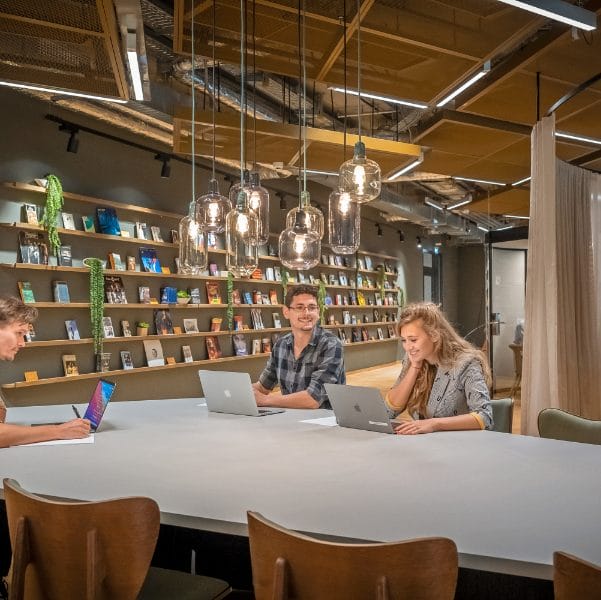
Our collaboration with Pausify.org turns underused hours at EDGE Grand Central Berlin into a community focus space for co reading, quiet concentration and conversation. Pausify hosts structured Reading Parties at our site, typically a short meet and greet followed by a 60 minute silent focus session and then a coffee time discussion. This gives members and neighbors a consistent and affordable place to read or work on creative projects together. The model addresses two real urban needs at once: dependable focus time and meaningful social connection, especially on weekends, while helping venues activate space outside peak work hours. For our ESG goals, it is a simple but effective social lever. We provide the setting and access, and Pausify curates a welcoming, low barrier format that reduces isolation and strengthens attention habits week after week.
Spotlighting Empowerment on Women’s Day
We dedicated a week to awareness and giving. Around the building we placed quotes and concise explainers to surface the case for gender equality in entrepreneurship and technology. We ran a popcorn day for private offices, added clear calls to action and highlighted charities focused on women’s empowerment so that tenants could donate with ease. The goal was not to broadcast virtue. It was to normalize small acts of allyship and to remind ourselves that a workplace community can amplify impact when many people do a little bit each.
Saving Lives with Blutspende (in partnership with Scout24 and Oracle)
We organized a blood donation day with the mobile team of DRK Blutspendedienst Nord Ost and we promoted participation across our network with the coordination of Scout24 and Oracle members on site. Blood cannot be synthesized. Regional supplies depend on regular donors. A central location with strong tenant engagement can increase turnout on a weekday. Our team coordinated the space, communications and flow so that the mobile unit could work efficiently and participants could give safely during short slots between meetings.
Illuminating Ideas with Technical University
Together with lecturer Dwayne Waggoner we welcomed a group of fourteen students from a master course in lighting design for a guided tour. Together with their lecturer, we walked through the building to examine daylight access, sensor usage and comfort strategies. Education thrives on lived examples. Opening our doors to students is a simple way to make technical concepts tangible while encouraging future designers to consider human centric and energy aware lighting practice.
Supporting Community with Oracle
We provided the lobby and equipment free of charge for an appreciation event that thanked people who had supported Ukrainian refugees. We set up high tables, speakers, a music table and clothing racks and took care of on site coordination. Not every contribution has to be monetary. Sometimes the right room at the right time helps a community say thank you and maintain momentum for good work already underway.
Sharing Insights with Future Researchers
We hosted three students Kristine, Leonie and Blanca for interviews and questionnaires for an academic project. Our team answered in detail and provided additional information and documents. When students study how workplaces operate, access to practitioners matters. We make time for these requests because they improve research quality and because sharing our learnings is part of our role as a civic actor.
Keeping space free for community led entrepreneurship
Fueling Student Innovation with START Berlin
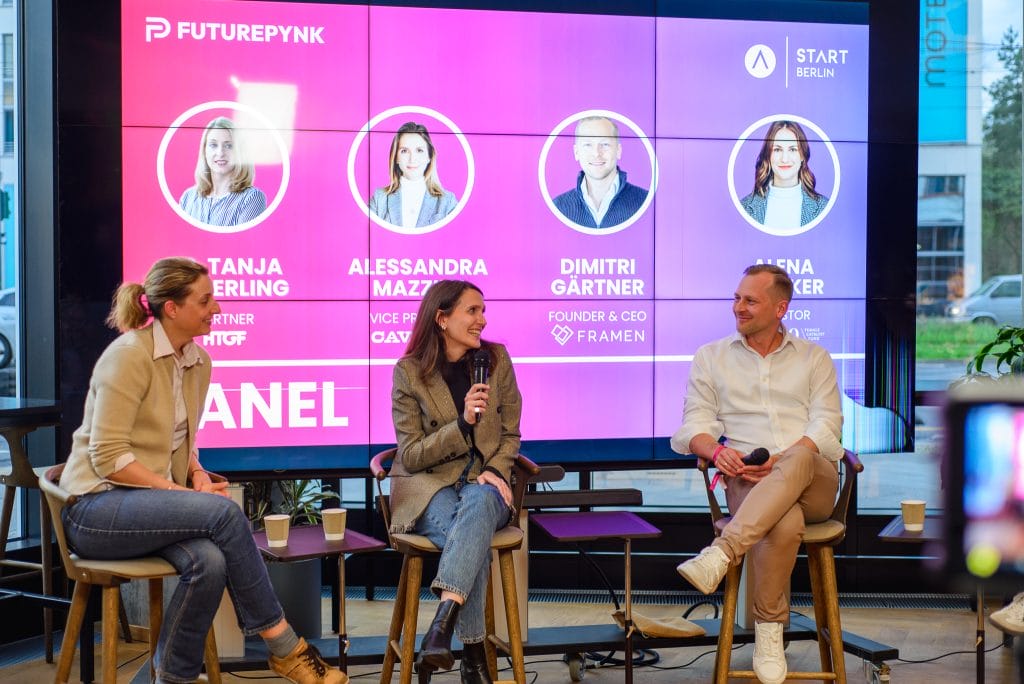
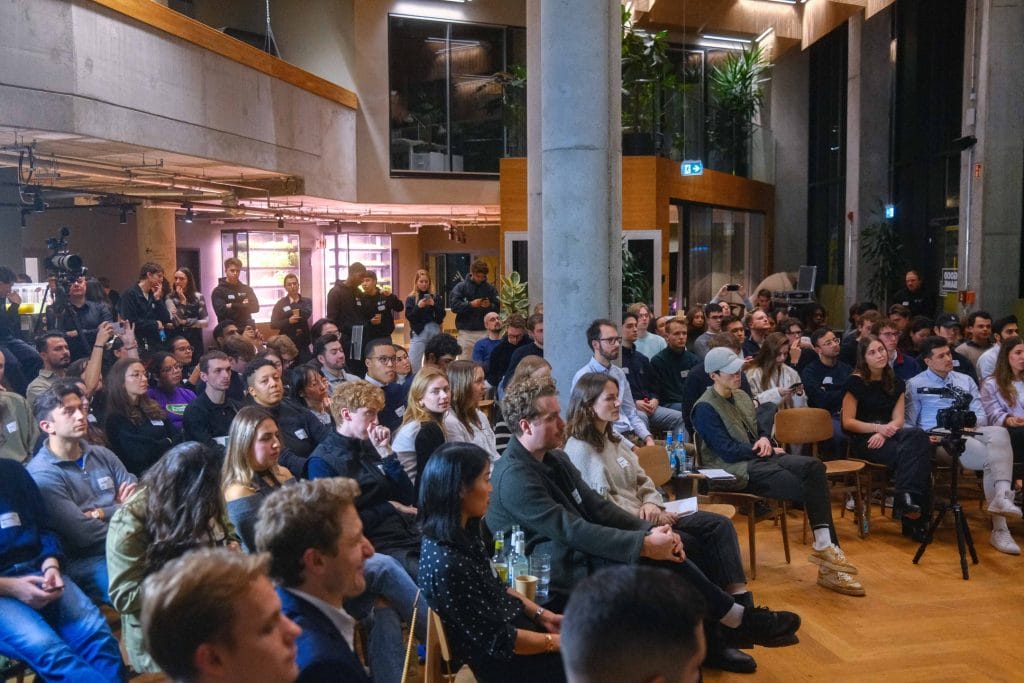
We provided our venue free of charge for weekly and monthly gatherings of START Berlin, the city’s student run entrepreneurship network. START connects students from all universities with founders and investors through meetups, panels and pitch paths. By hosting at no cost, we helped an inclusive gateway into the startup world stay open for people at the very beginning of their journey. That aligns with our belief that talent grows when barriers to participation are low.
Why these choices fit ESG in a coworking context
Environment
We look for ways to mainstream climate positive practices by backing companies and programs that move the needle. Ingarden’s model reduces waste and transport emissions at household scale. Urban Impact’s work on sustainability challenges shows how large campuses, utilities and startup teams can co-create solutions for circularity and carbon capture that scale beyond a single building. Our tours for lighting students foreground energy aware design. These are practical nudges inside a commercial ecosystem.
Social
We use our assets for inclusion and wellbeing. Free memberships for Arrival Support volunteers and refugees through MatchOffice were about immediate needs. The blood donation day connected our tenants to a lifesaving habit that our region depends on. Our exhibitions and workshops with artists turned circulation areas into cultural spaces and invited people to make something together. Student access and START Berlin events brought different generations into the same rooms and built social capital across time. That is how a workplace can become a civic place.
Governance
We treat affordability programs and free space as structured commitments with transparent criteria. We channel discounts to organizations whose missions align with our pillars. We avoid one off announcements and instead seek continuity. That is why you see several multi month or multi year relationships in this list. We also keep a clear separation between our own communications and our partners’ autonomy. When we host or support an activity, the partners remain the protagonists.
What We Learned
First, proximity matters. Because we are next to Berlin Hauptbahnhof, we could respond quickly when civil society groups started helping arrivals from Ukraine only a few meters away. Checking your neighborhood for immediate needs can reveal social purpose opportunities that big plans miss.
Second, space is leverage. Offering a room, a lobby or a handful of desks at the right moment can be more valuable than a small cash grant. We found this with Oracle’s appreciation event for refugee helpers and with our weekly hosting for START Berlin. Regularity is powerful because it lets communities plan and grow.
Third, culture changes behavior. Art displays and hands on workshops softened our building, sparked conversations across companies and reduced the threshold to try new things. In our experience, a creative activation is not a nice to have. It is a practical tool for inclusion and belonging.
Fourth, partner selection should reflect your core. We do not run accelerators or design curricula, yet we can support people who do. Working with Techstars, AsiaBerlin and lecturers guiding university groups allowed us to contribute to the pipeline without duplicating what expert organizations already provide.
Fifth, habits beat heroics. Blood donation days, Women’s Day actions and student interviews may seem small on their own. Together, repeated over time, they build a culture where doing something helpful is part of everyone’s work week.
Closing Thought
We do not claim that these activities solve climate or social challenges on their own. Our contribution is to make it easier for people who are solving problems to meet, to work and to be seen. That is a role any coworking operator can play. If we all align our daily operations with clear pillars and we keep our spaces open to civic use, the cumulative effect across cities can be significant.