
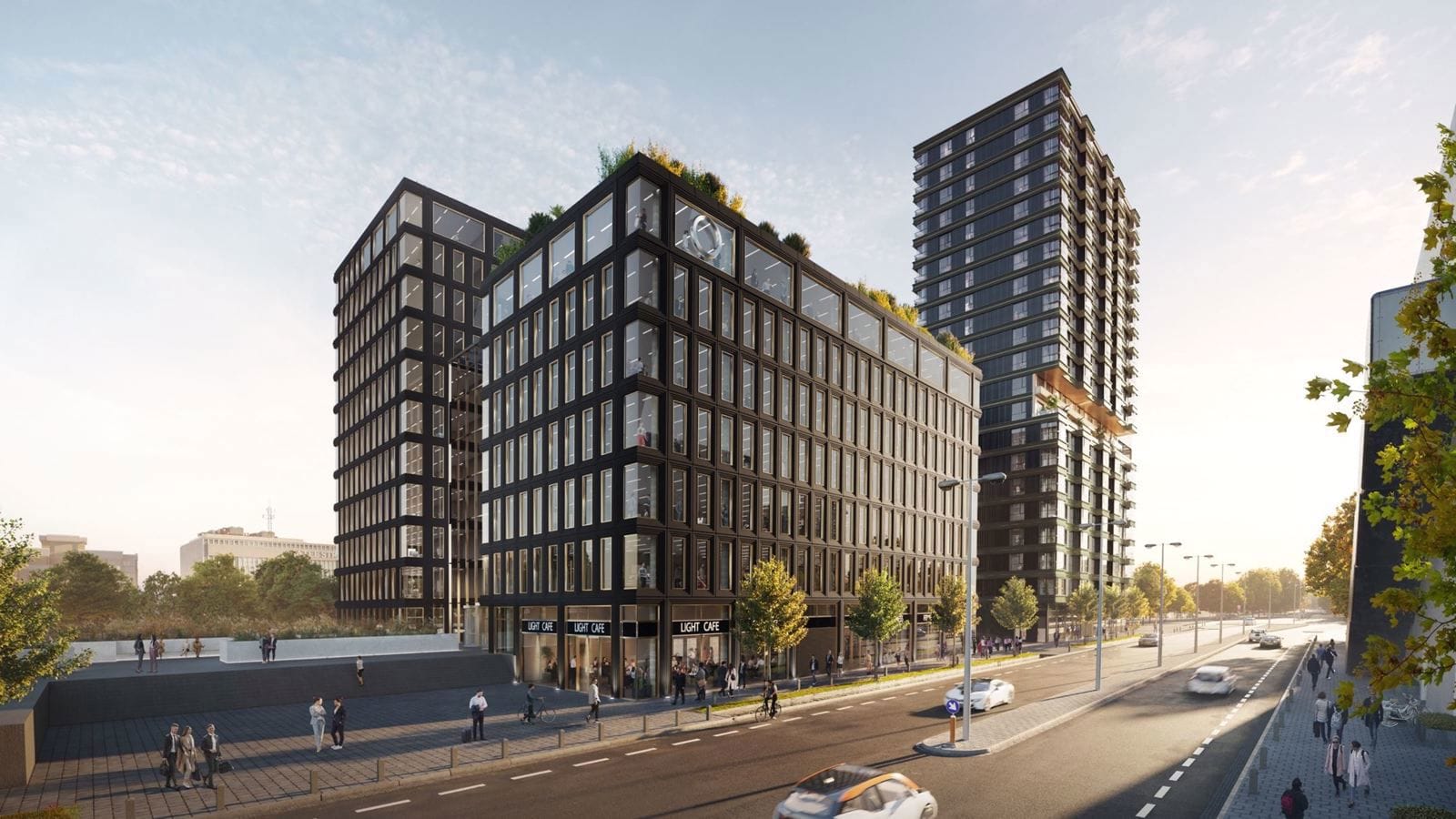
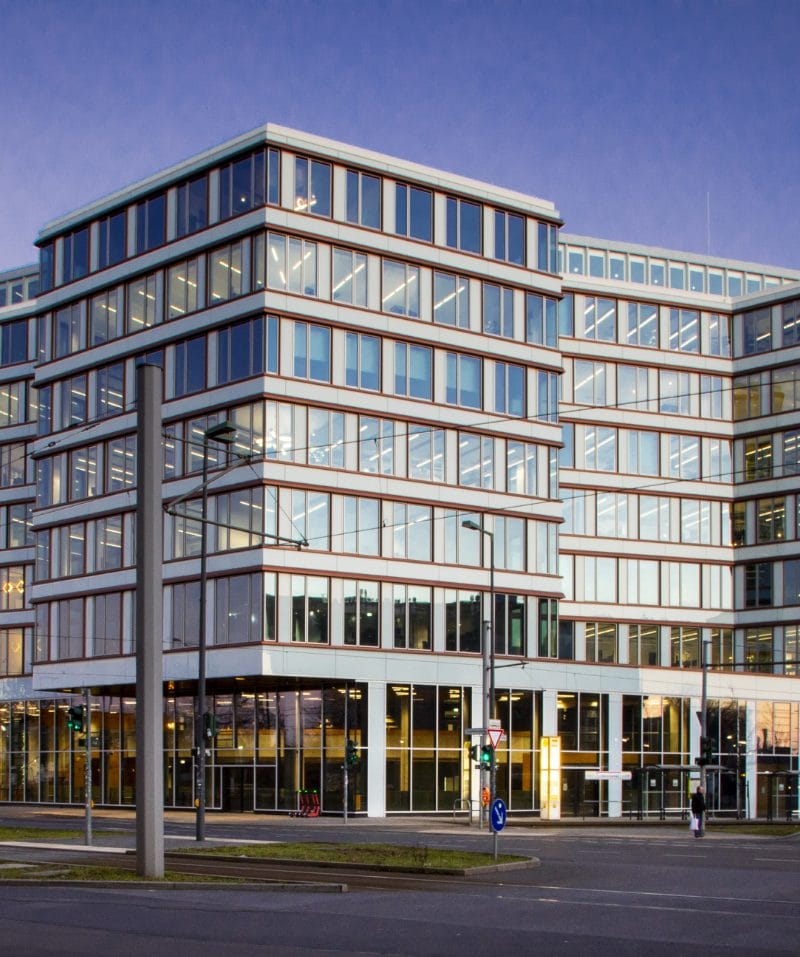
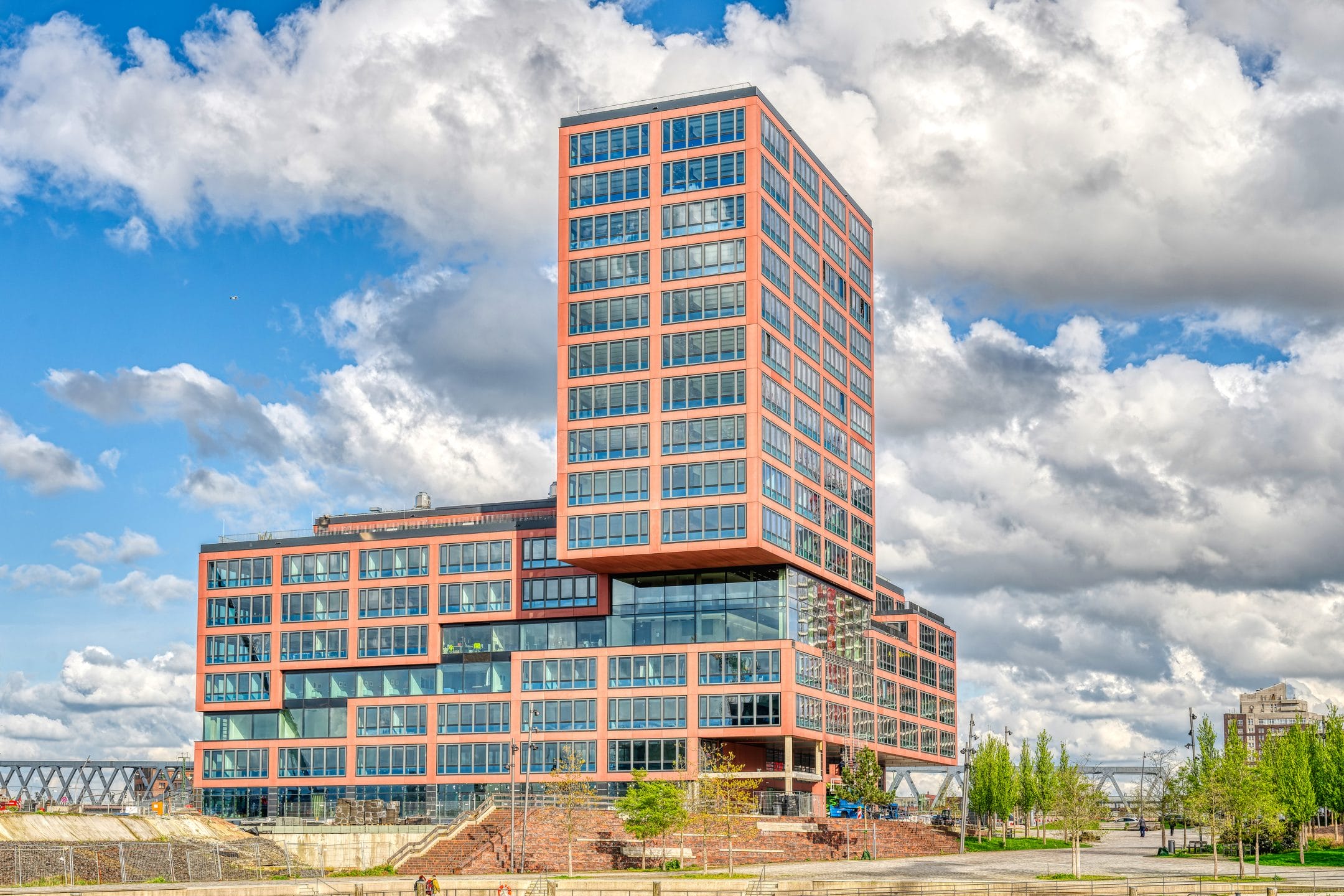
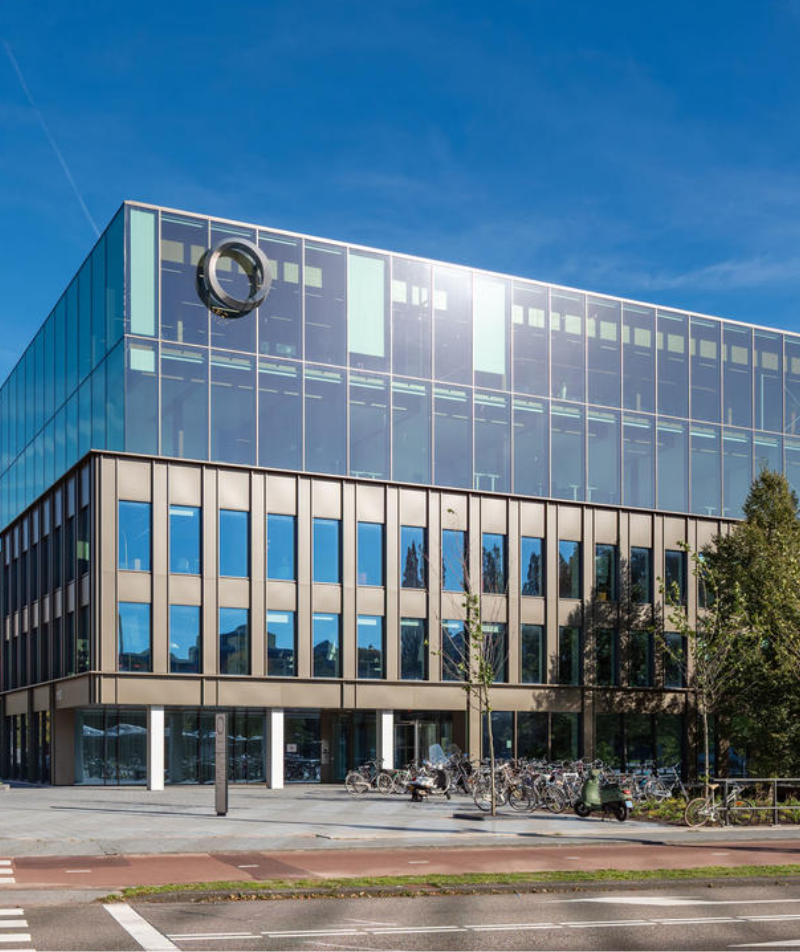
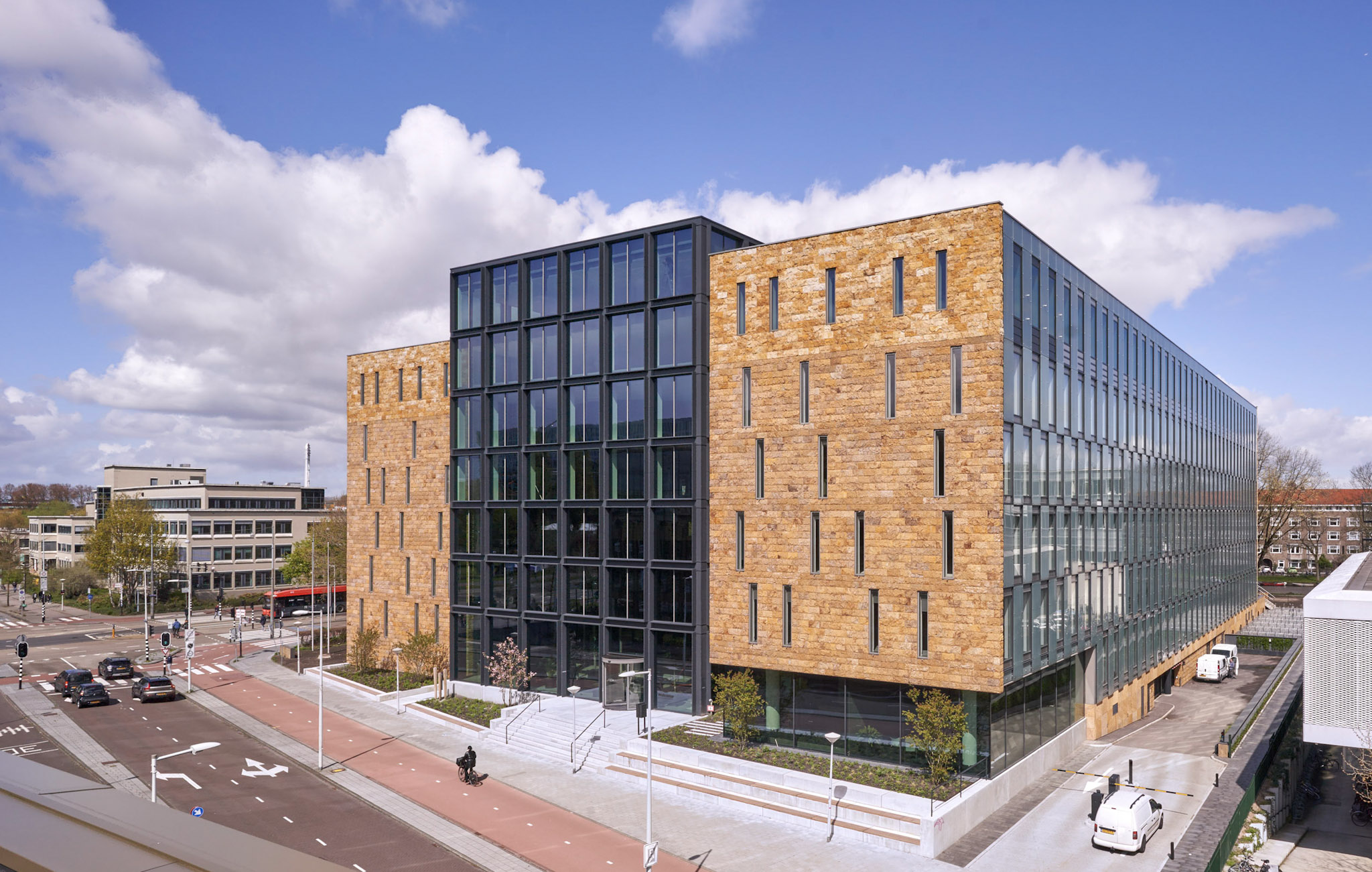


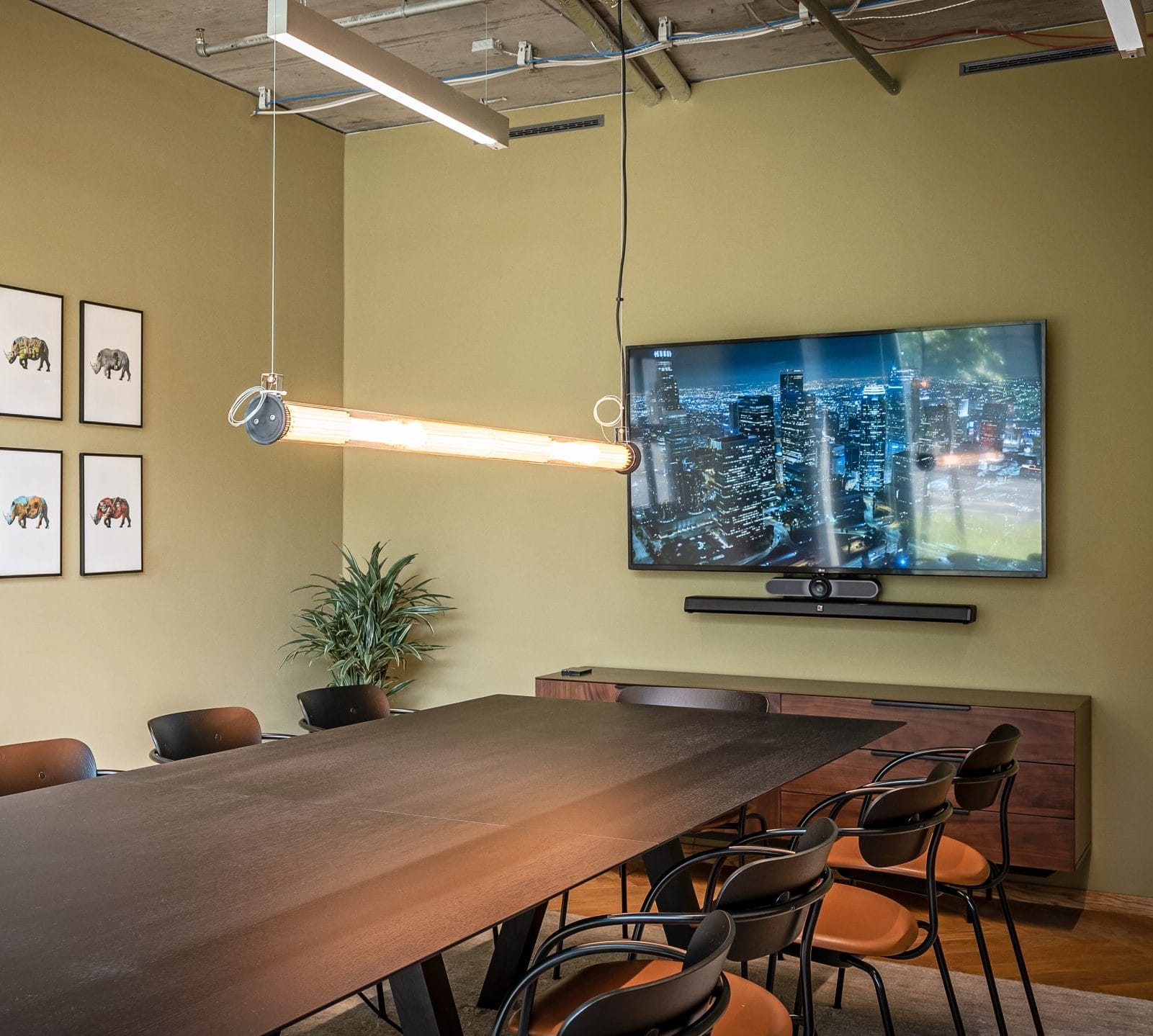
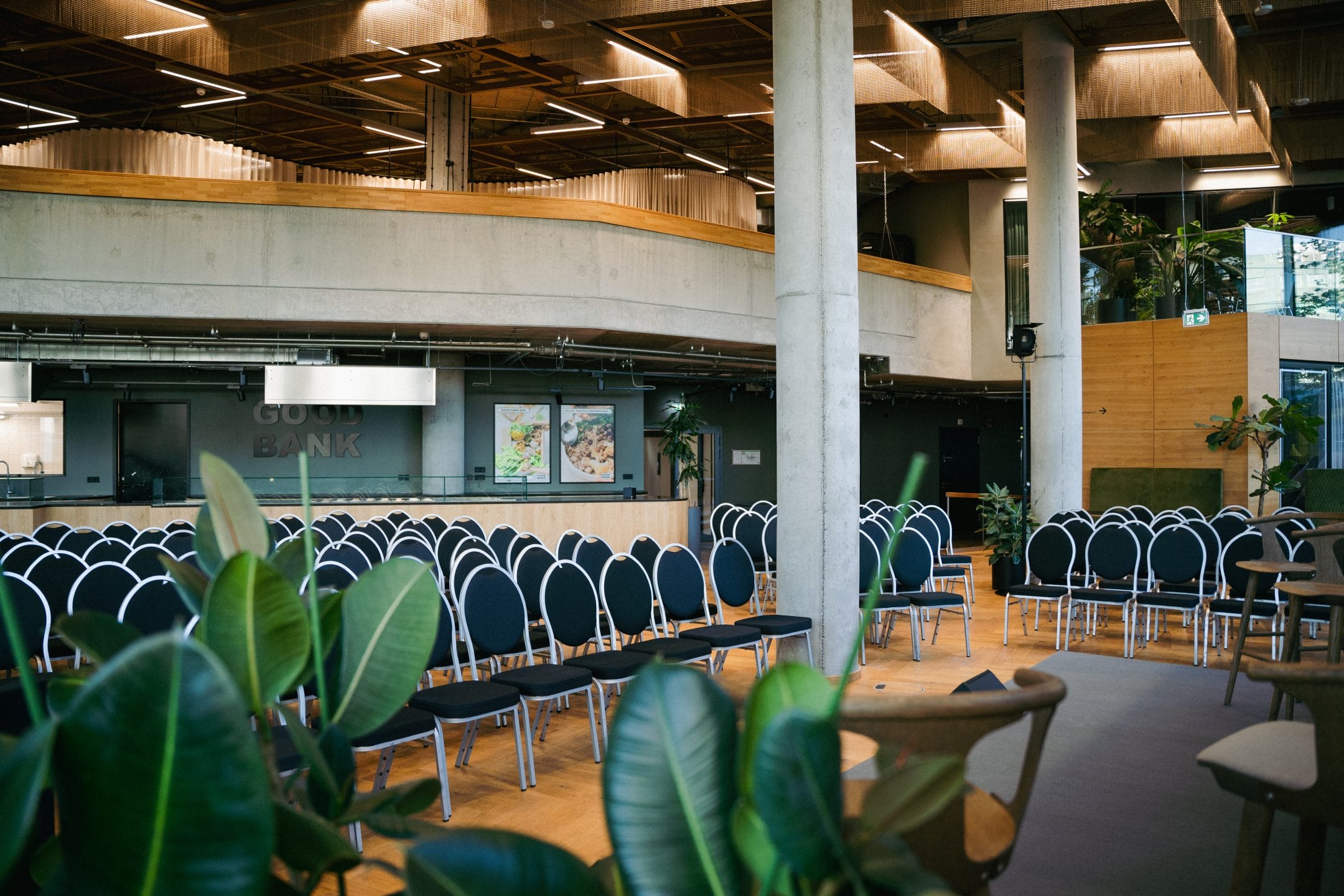









Workspaces have changed a lot. They’re not just places to get things done anymore. Modern workspaces can actively advance environmental, social, and governance objectives while maintaining productivity and collaboration. At EDGE Workspaces, we see that ESG factors are transforming business operations and the actual spaces where people work.
Companies are increasingly expected to demonstrate ESG compliance through real actions, not just promises. Our approach weaves together sustainable design, resource efficiency, and ethical governance into workspace solutions. This isn’t just about ticking boxes; it creates concrete benefits for organizations juggling regulatory requirements and what stakeholders want to see.
When workspace design and ESG strategy intersect, there’s a real shot at shrinking environmental footprints, boosting employee wellbeing, and making operations more transparent. We’re digging into how digital workspaces and tech-enabled environments help hit these marks, especially with the rise of hybrid work models.
Redefining Workspaces for ESG Goals
Workspaces aren’t just business assets anymore, but strategic tools for ESG priorities. It takes intentional choices, smart operations, and a willingness to actually measure impact using established frameworks.
Moving Beyond Traditional Business Needs
The old office was mostly about giving people a spot to work. That’s a pretty limited view, considering how much the physical environment can affect broader organizational goals.
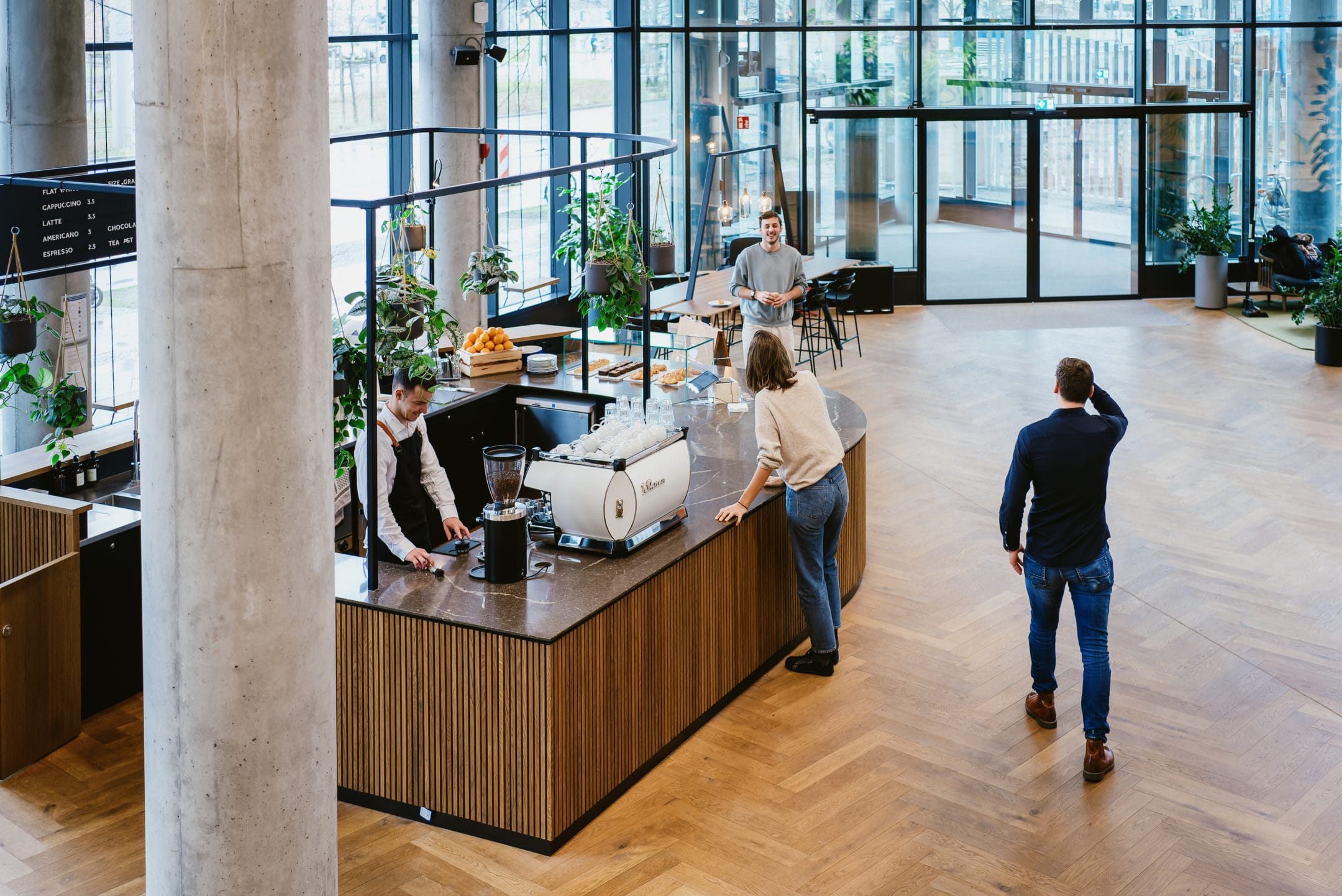
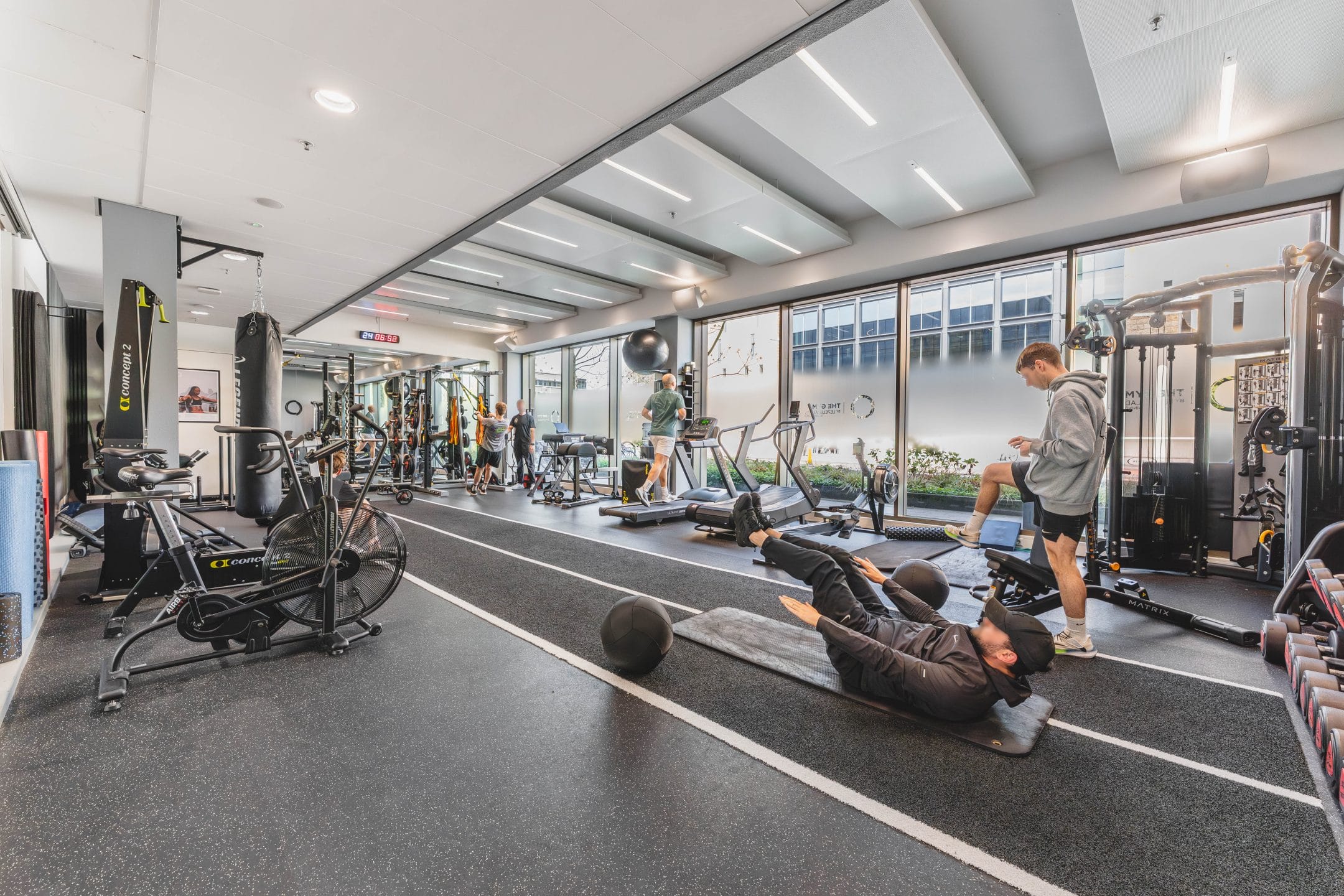
Modern workspaces have to juggle a lot more. We see how ESG principles transform office design and construction by bringing in sustainable materials, social responsibility, and governance standards. These spaces now support wellness initiatives, community engagement, and environmental stewardship, all while keeping business humming along.
The built environment accounts for 42% of global emissions, with 27% from building operations and 15% from embodied carbon. This isn’t something workspace operators can ignore. Material choices, energy use, and waste management have to be front and center, not afterthoughts.
Aligning Workspace Strategy With ESG Objectives
Real ESG integration means setting clear metrics based on materiality: figuring out which environmental and social factors matter most for our business and stakeholders. We map out strategies that tie workspace decisions straight to SDG targets and corporate sustainability reporting needs.
That means things like energy-efficient lighting and appliances, comprehensive recycling, and picking eco-friendly building materials. These choices feed into our corporate sustainability report and let us track progress toward actual goals.
Clients are driving a lot of this. Industry surveys say up to 80% of new clients want to see ESG credentials before they’ll sign. We keep them in the loop with updates and carbon data, helping them meet their own reporting needs while we all move forward.
EDGE Workspaces in the Context of Sustainability
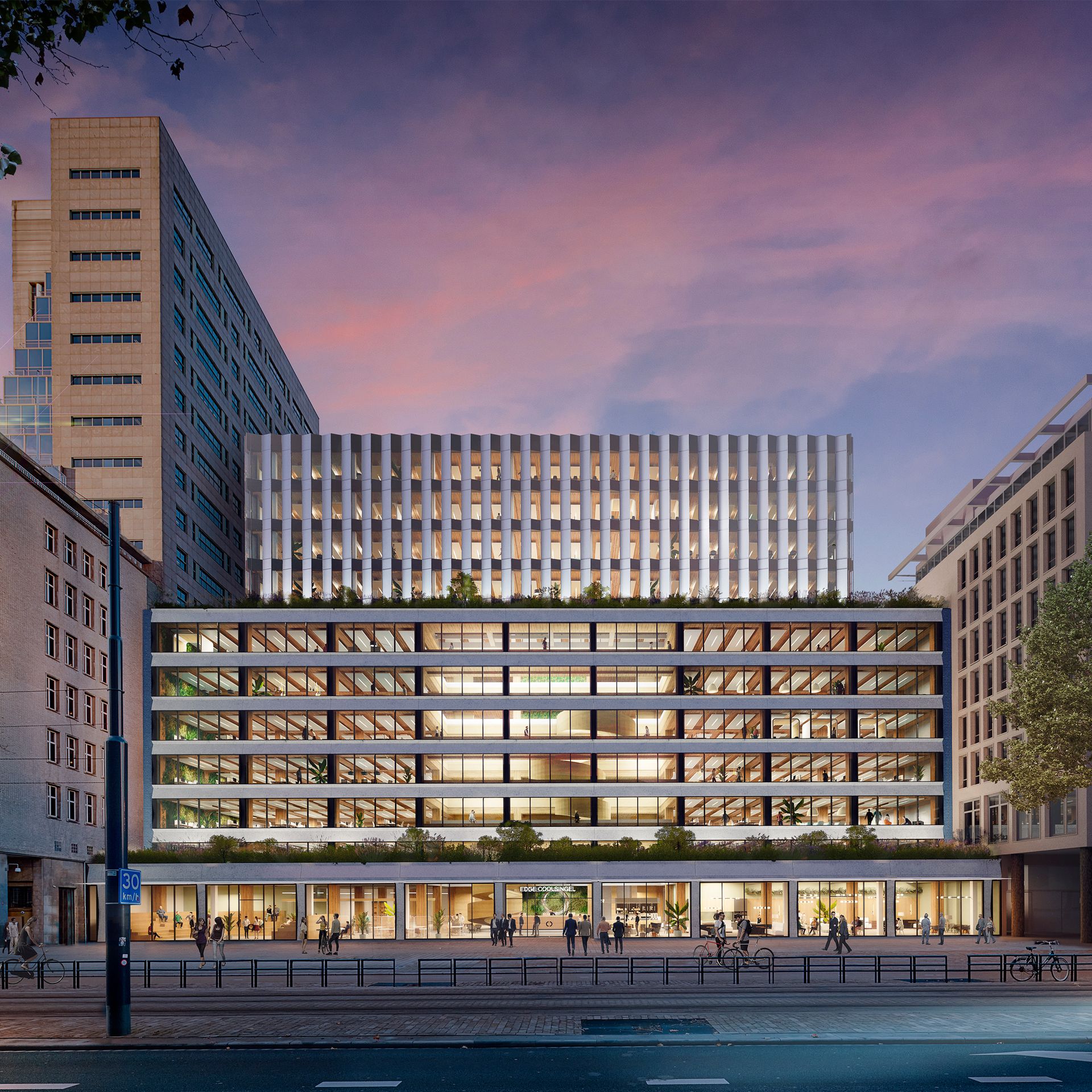
At EDGE Workspaces, we go beyond the basics. Our spaces double as rehearsal areas for local orchestras through partnerships with organizations like UseSpace, proof that flexible workspaces can create social value during off-hours.
We tackle commuting, one of the bigger hidden carbon impacts, by offering plenty of bike storage and limiting parking to nudge people toward carpooling. Our push for client participation in simple ESG initiatives includes swapping out individual waste bins for centralized recycling and offering bikes for free use.
Our operations tie directly to SDG targets around sustainable cities, responsible consumption, and climate action. We’re always tracking our carbon footprint and tweaking energy use. Even after upgrades, there’s still room to do better. Building performance and resource efficiency are never really “done.”

Environmental Impact and Sustainable Operations
Workspaces built around environmental priorities cut carbon emissions by using renewable energy, adopting circular economy principles, and making real gains in resource efficiency. These moves address climate worries and help future-proof the business.
Integrating Clean Energy Solutions
We use energy-efficient systems like LED lighting, smart thermostats, and motion sensors to lower consumption. Solar panels and other renewables help us lean less on fossil fuels.
Energy management systems automatically tweak heating, cooling, and lights based on who’s actually in the building. This saves money and shrinks our carbon footprint. We’re picky about appliances and office gear, too—energy efficiency is a must in every setup.
We try to maximize natural light through smart window placement, cutting down on artificial lighting during the day. Good insulation keeps temps steady, so HVAC systems don’t have to work overtime. Put together, these steps mean our workspaces use a lot less energy than your typical office.
Advancing the Circular Economy
Our recycling programs cover paper, plastics, and e-waste. We cut down on single-use items by offering reusable containers, bottles, and utensils everywhere. Water-saving fixtures like low-flow faucets and toilets help too.
The shared infrastructure model of coworking spaces naturally fits circular economy thinking. Furniture and resources are used by multiple tenants, which means less waste from redundant office fit-outs and fewer materials tossed out with every new company move-in.
Reducing Workspace Carbon Footprint
Hybrid and remote work models cut down on commuting and related emissions. Our locations are picked to keep travel distances short for those who do need to come in.
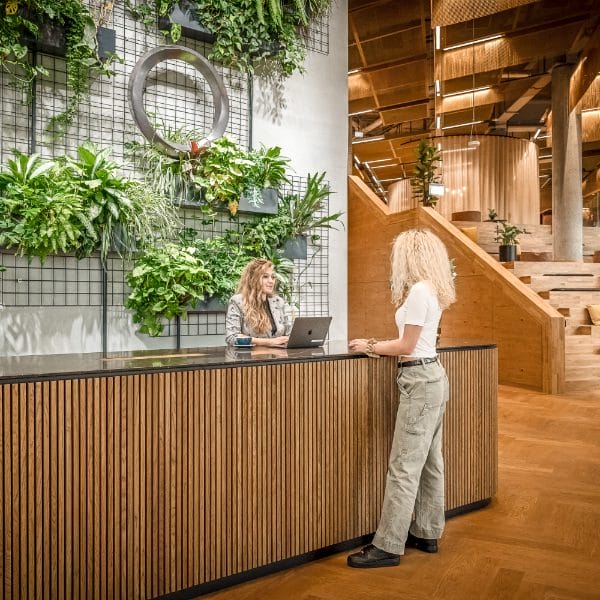
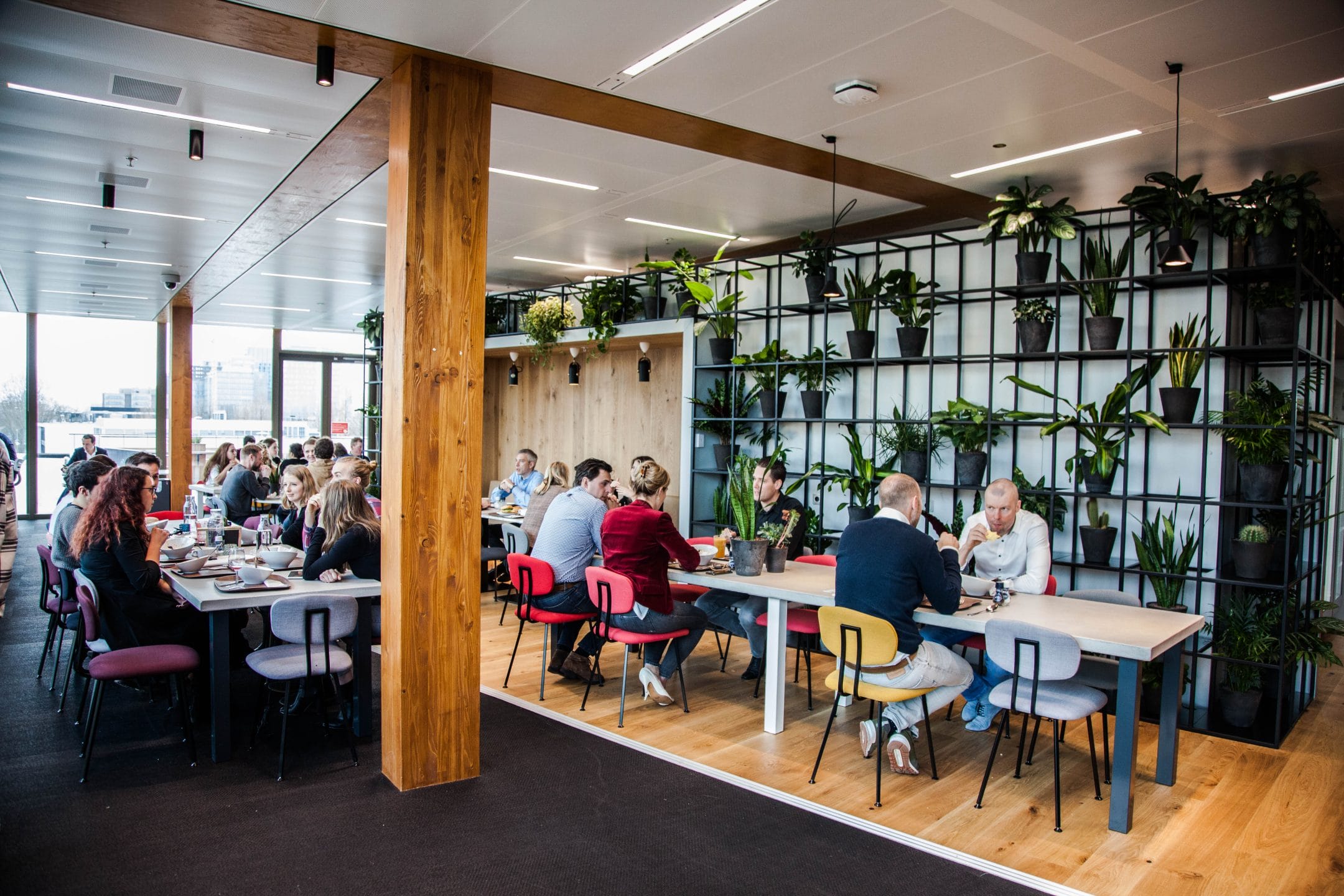
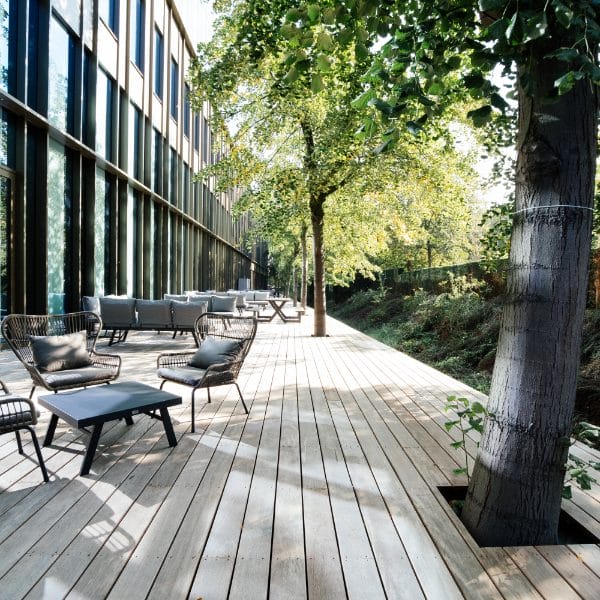
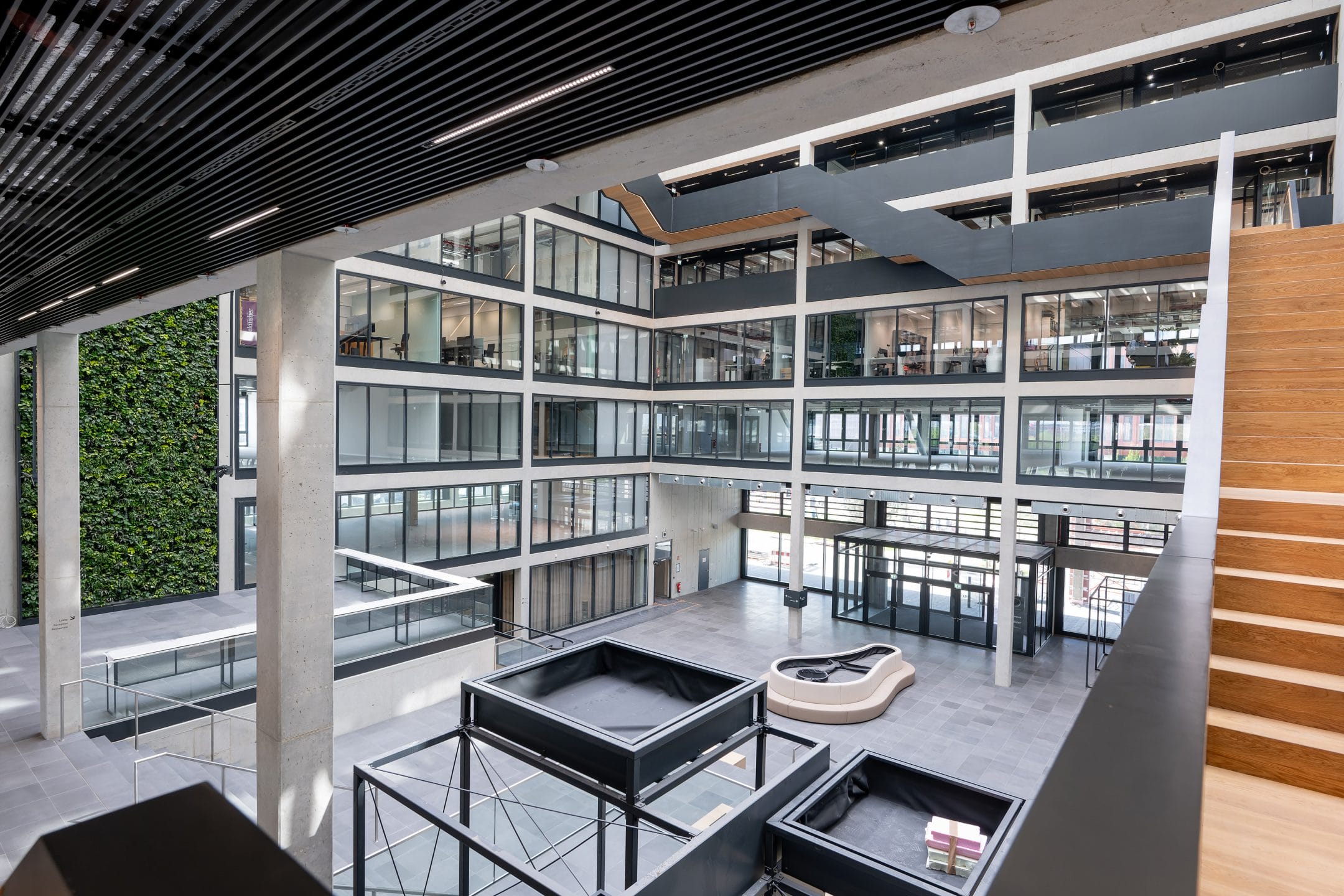
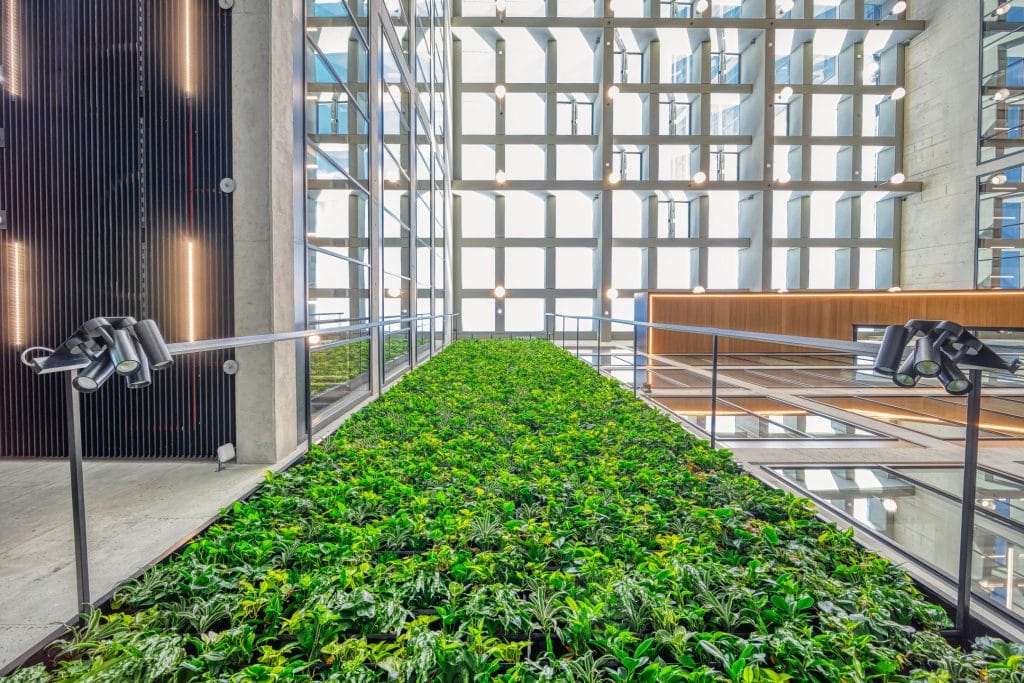
Sustainable workplace design brings in biophilic elements like plants and living walls that clean the air and soak up carbon dioxide. Ventilation and low-VOC materials keep indoor air healthy without guzzling energy.
We chase green building certifications like LEED and WELL to benchmark our environmental performance. These third-party stamps show we’re serious about decarbonization, and our move-in-ready spaces save companies from the resource drain of traditional office buildouts. It’s an immediate carbon win for anyone joining us.
Governance and ESG Integration in Workspaces
Governance shapes how workspaces drive sustainability through compliance, oversight, and tracking results. Transparent reporting and accountability make sure workspace initiatives actually deliver environmental and social impact.
Implementing Regulatory Compliance
We keep our workspace operations in line with changing laws on energy efficiency, accessibility, and environmental standards.
Regulations are pushing for more disclosure on carbon emissions and resource use. We track energy, water, and waste to meet those reporting needs and spot where we can do better.
Certifications like BREEAM back up our compliance with third-party checks across energy, water, materials, waste, and wellbeing. These show we’re committed to responsible workplace standards and help us stay ahead of tougher rules coming down the line.
We lay out policies on workplace surveillance, data privacy, and ethics that staff can access anytime. Posting codes of conduct and values around the office isn’t just for show but a signal about what matters to leadership.
Embedding ESG in Corporate Governance
Our governance approach turns workspace design into a strategic asset. Cross-functional teams make sure ESG integration is built into every decision.
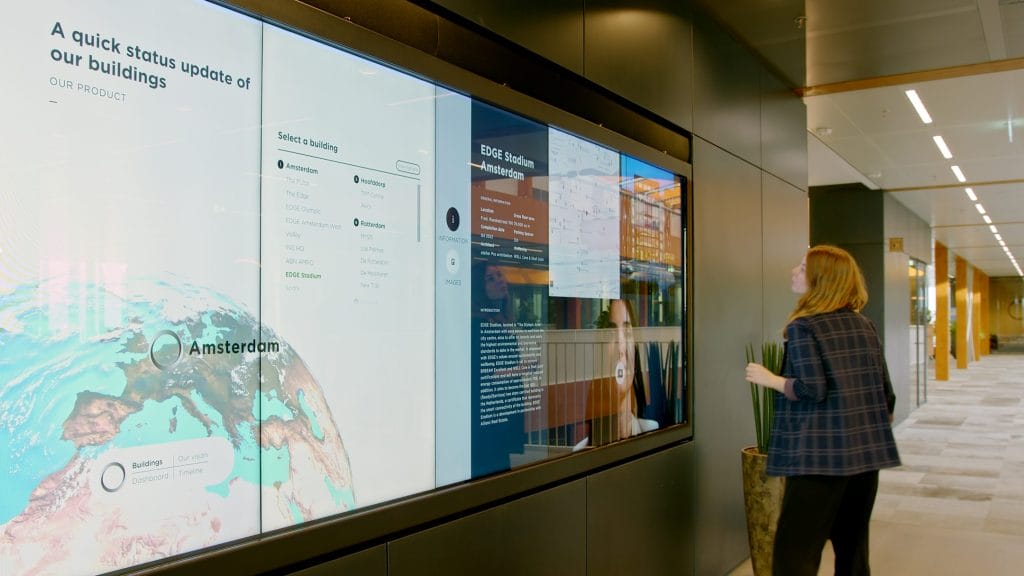
Visible leadership in the workspace, like execs working in open areas and dashboards showing energy or diversity stats, backs up our transparency. It’s not just lip service! It’s out in the open for everyone to see.
Our board reviews ESG performance regularly, checking key metrics for emissions, water use, and employee wellbeing. We put money behind sustainability upgrades and social impact projects, not just talking about it but actually making it happen.
ESG reporting for investors and stakeholders means sharing both hard numbers and the stories behind them. Our annual sustainability reports lay out emissions cuts, cost savings, and how employee wellbeing is improving thanks to design tweaks.

Digital Transformation and the Modern Workspace
Digital transformation reshapes how workspaces function, blending technology with ESG goals to build environments that serve both business and sustainability. These days, you can’t really separate the two – cloud infrastructure and strong security are just the baseline for flexible, responsible operations.
The Rise of the Digital Workplace
The digital workplace combines physical spaces with digital tools to change how we collaborate and get things done each day. It’s not just about tossing in some tech, but more of a real shift in how workspaces actually function.
We’re seeing this play out in a few overlapping ways:
- Workforce adaptation: People need to embrace technology, build digital skills, and stay resilient
- Physical workspace design: Offices are mixing ICT systems with flexible layouts
- Digital infrastructure: Platforms let us work from anywhere, at any time
Digital workplace transformation drives collaboration with unified communication tools and shared digital environments. These changes boost productivity and help cut down on resource use. The workspace is morphing into a hybrid ecosystem, where tech supports sustainable moves like remote work, less commuting, and smarter energy use.
Leveraging Cloud Computing for ESG
Cloud computing is honestly the backbone of ESG-driven workspace operations. By shifting to cloud solutions, we cut down on physical infrastructure, which means less energy burned and less hardware tossed out.
ESG Benefits of Cloud Migration:
| ESG Pillar | Cloud Benefit |
|---|---|
| Environmental | Lower energy usage, reduced physical hardware |
| Social | Flexible work arrangements, improved accessibility |
| Governance | Centralized compliance monitoring, transparent reporting |
Cloud platforms let us track environmental metrics and resource use in real time. They make remote teamwork easier, which means less travel and a smaller carbon footprint. The best part? Cloud services scale up or down as needed, so we skip the waste of extra equipment gathering dust.
Ensuring Data Security and Privacy
Data security and privacy are absolutely essential in any digital transformation. We’ve put in place solid security frameworks to keep sensitive info safe across all our digital workspaces.
Our toolkit includes encryption protocols, multi-factor authentication, and regular security audits. These steps keep employee data, client records, and operations secure from prying eyes.
We’re strict about who gets access to what and when. Our data governance policies are crystal clear, and everyone gets trained regularly so they know their part in keeping things secure. These efforts tie right into our ESG commitments, showing we take responsibility for our digital assets.
AI and Data Analytics as Drivers of ESG Progress
Artificial intelligence and data analytics are seriously changing how organizations measure and improve ESG performance. AI can automate ESG data collection and speed up carbon reduction efforts, all while surfacing insights that help us make better, greener decisions.
Insights for Enhanced Sustainability Performance
AI-driven analytics reveal fresh opportunities in social and governance areas of ESG performance. We use these insights to improve workplace well-being, boost community engagement, and strengthen transparency in reporting.
Real-time monitoring lets us measure how effective our sustainability moves are, almost instantly. When we roll out energy-saving changes or new wellness programs, AI helps us see what’s working within days, not months.
Bringing artificial intelligence into our ESG framework makes compliance simpler and delivers actionable sustainability insights to teams. This empowers us to make quicker, more informed decisions that keep workspace operations in sync with bigger environmental and social goals.
Do you want to collaborate with EDGE Workspaces?
We’re always looking for organizations that want to team up with us on projects that fit ESG values and make smarter use of spaces that might otherwise just sit empty. Our interests go beyond the usual business stuff. We’re into anything that helps cut waste and uses resources more efficiently.
Here are some ways we can work together:
- Sharing office spaces during off-peak times
- Partnering up to turn underused workspaces into places where things actually get done
- Collaborating on ESG-friendly ideas to cut down on energy use
- Co-writing blog articles and social media posts to inspire
Let’s be honest, loads of offices are just empty after hours, on weekends, or during holidays. It’s an environmental issue, sure, but it’s also a missed chance to do something good locally.
We’d love to hear from nonprofits, schools, social enterprises, or any business interested in ESG projects. Maybe you’ve got ideas for adult education in empty buildings, after-hours coding workshops in corporate spaces, or weekend community meetups. Let’s talk.
Our workspaces can boost productivity and keep things organized for collaborative projects, all while shrinking the environmental impact of running separate facilities. Reach out if you want to chat about turning unused spaces into something valuable for the community: marketing@edgeworkspaces.com.